
 All work
Case study · XStreamr via NTERSOL · 2026 — now
Fans pay creators directly, and the app stores still approve it.
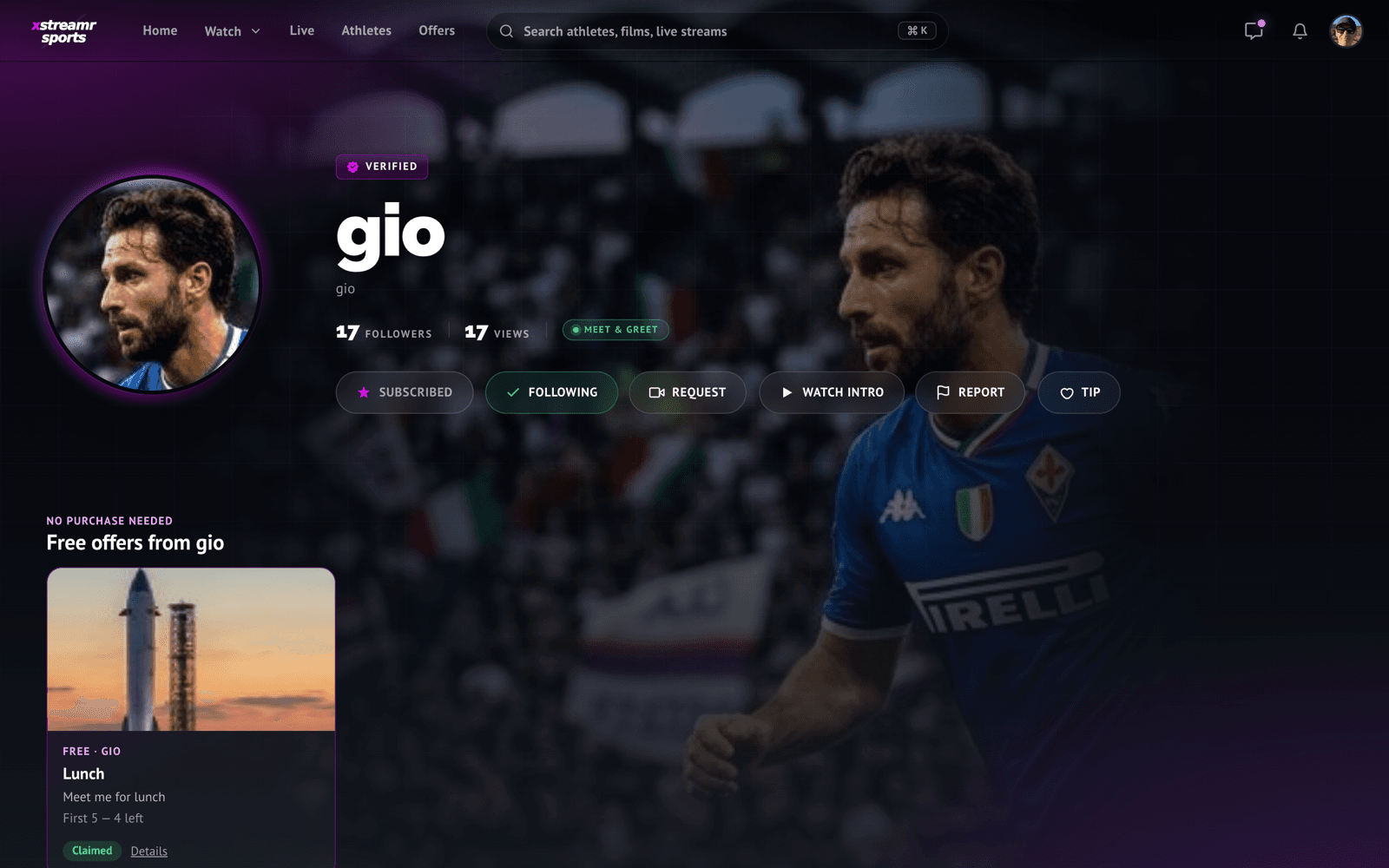
Inherited
Two legacy apps, one new backend.
A hybrid mobile app and a web app tied to an old backend, both with secrets committed and outdated frameworks. Another team was writing the new API at the same time.
The mobile app
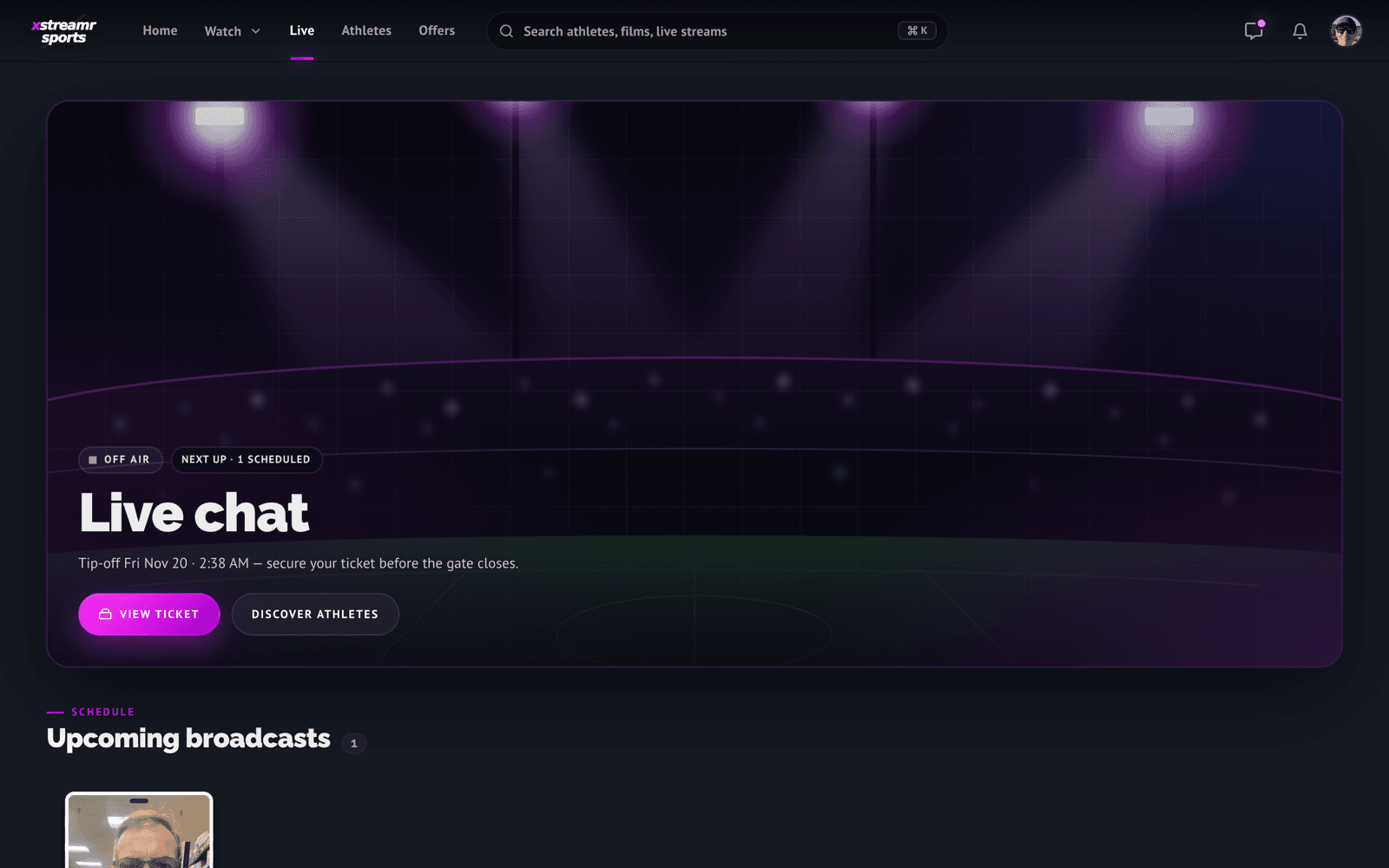
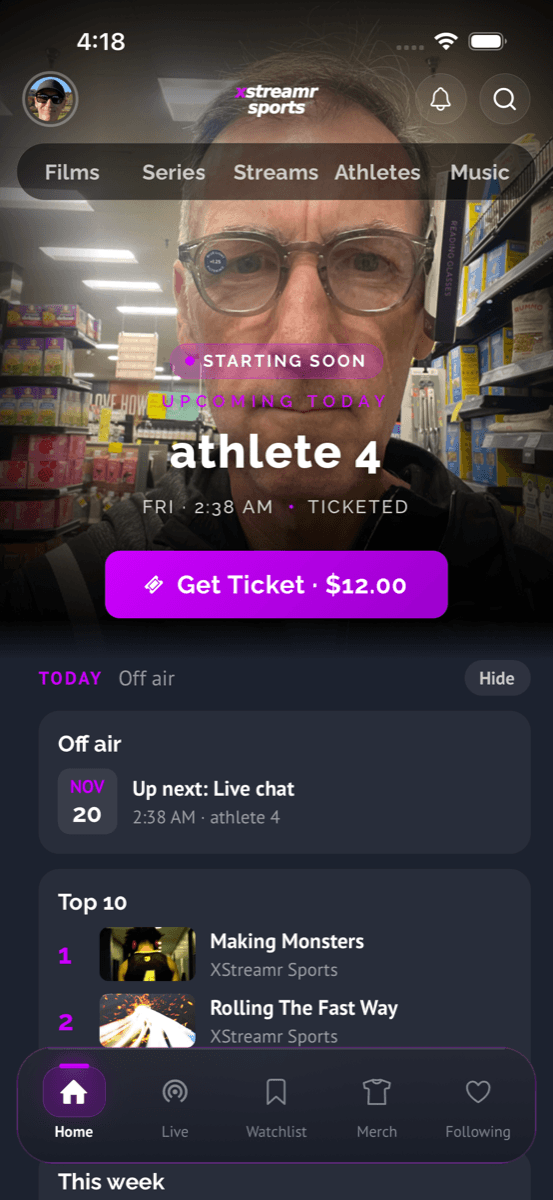
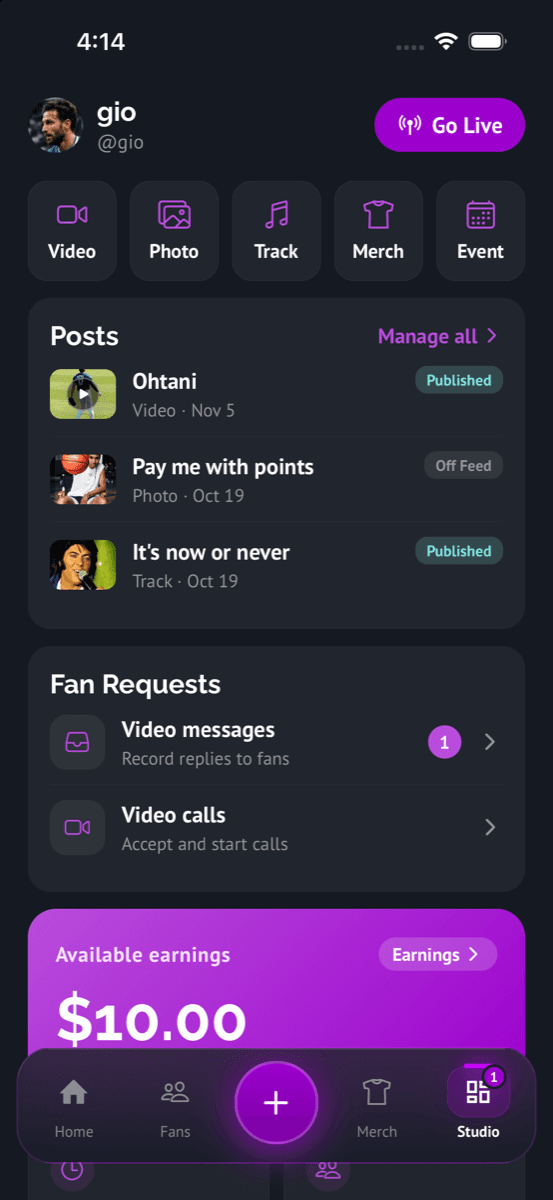
React Native for fans and creators: tickets, live events, tips, subscriptions, 1:1 calls, Fan Rewards and merch with Stripe in the app. Upgraded from 0.71 to 0.86 with no feature freeze.
The web app
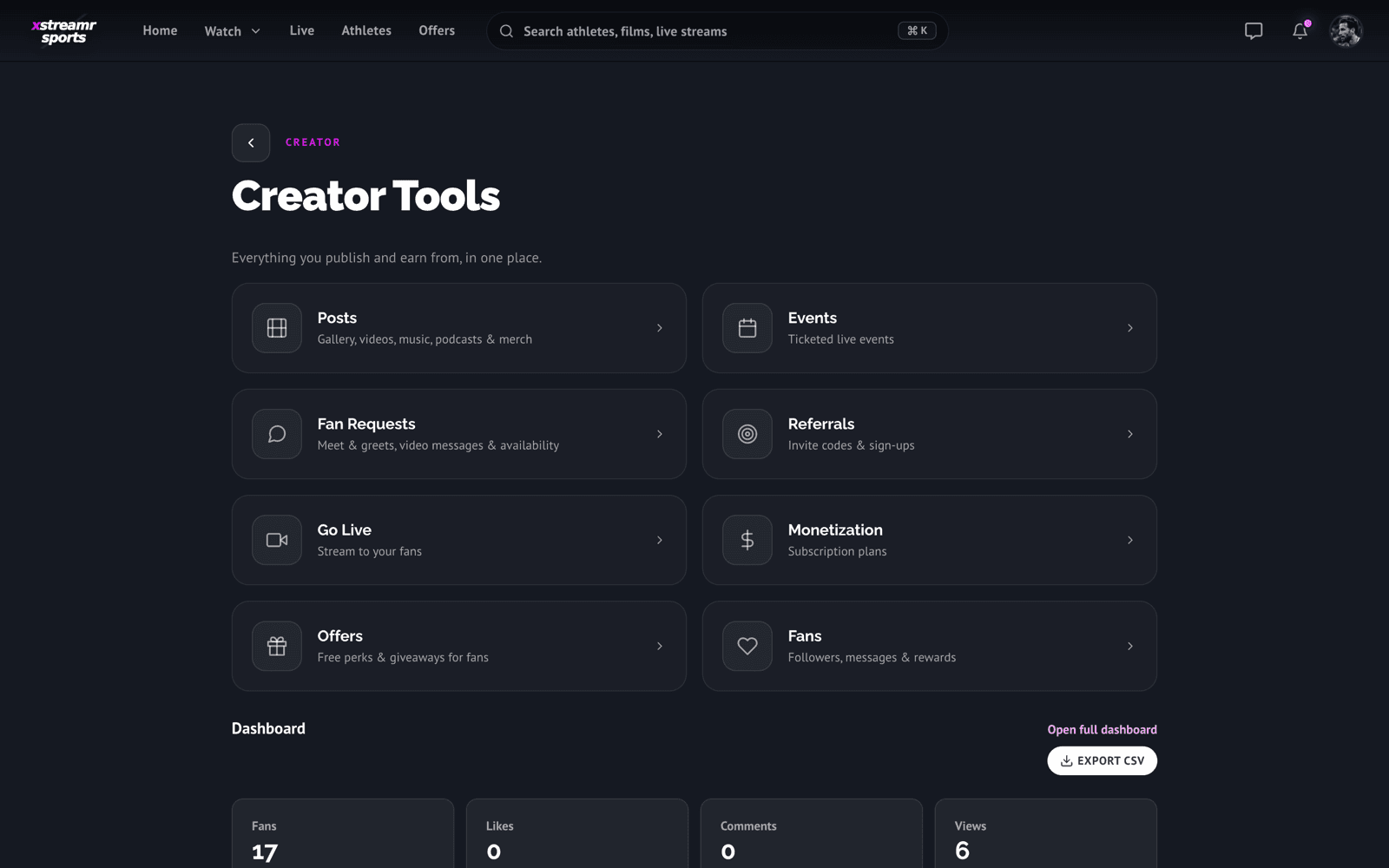
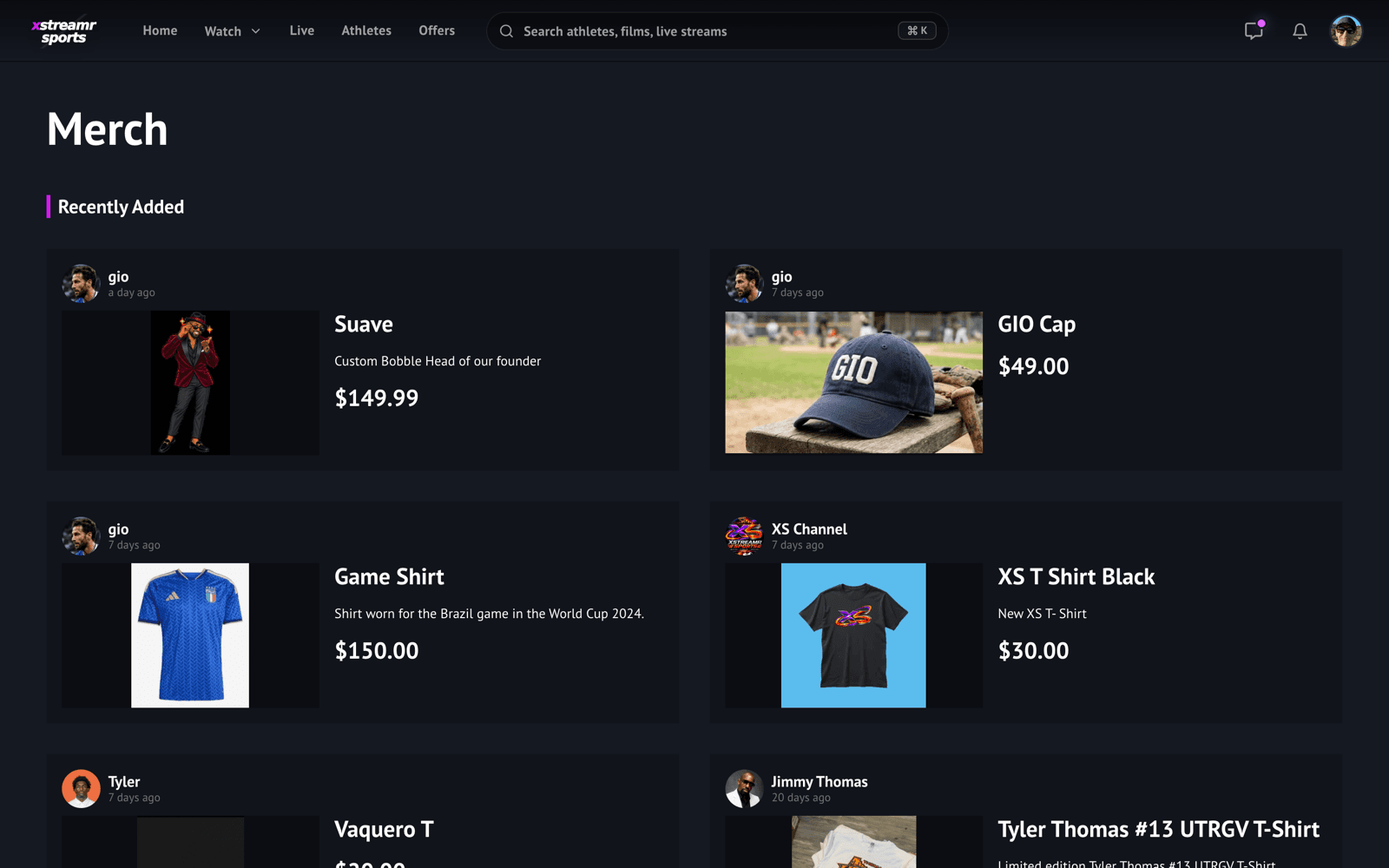
Angular for fans and creator tools: go live over RTMP, offers, earnings and payouts, and the Stripe Payment Element. Upgraded from Angular 14 to 21 one major version at a time.
- 2 × 3Brands × platforms, from two codebases
- ~620Commits across both apps in about eight weeks
- 10iOS TestFlight builds in two weeks
01 — Payments
App store policy, written as code.
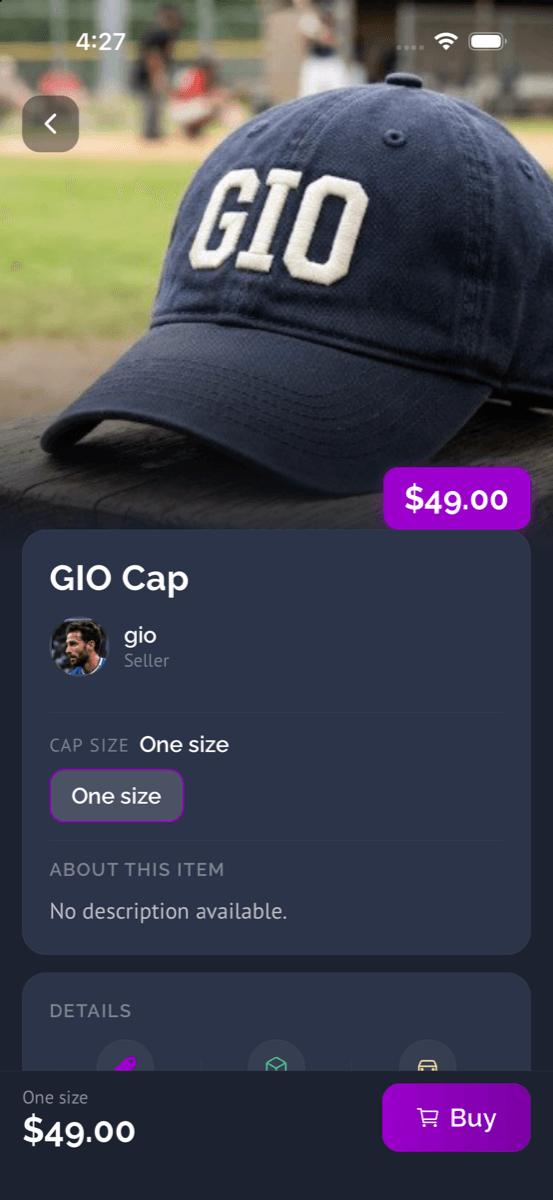
Apple and Google require their own in-app purchase for digital goods, and allow outside payment for physical goods.
70%
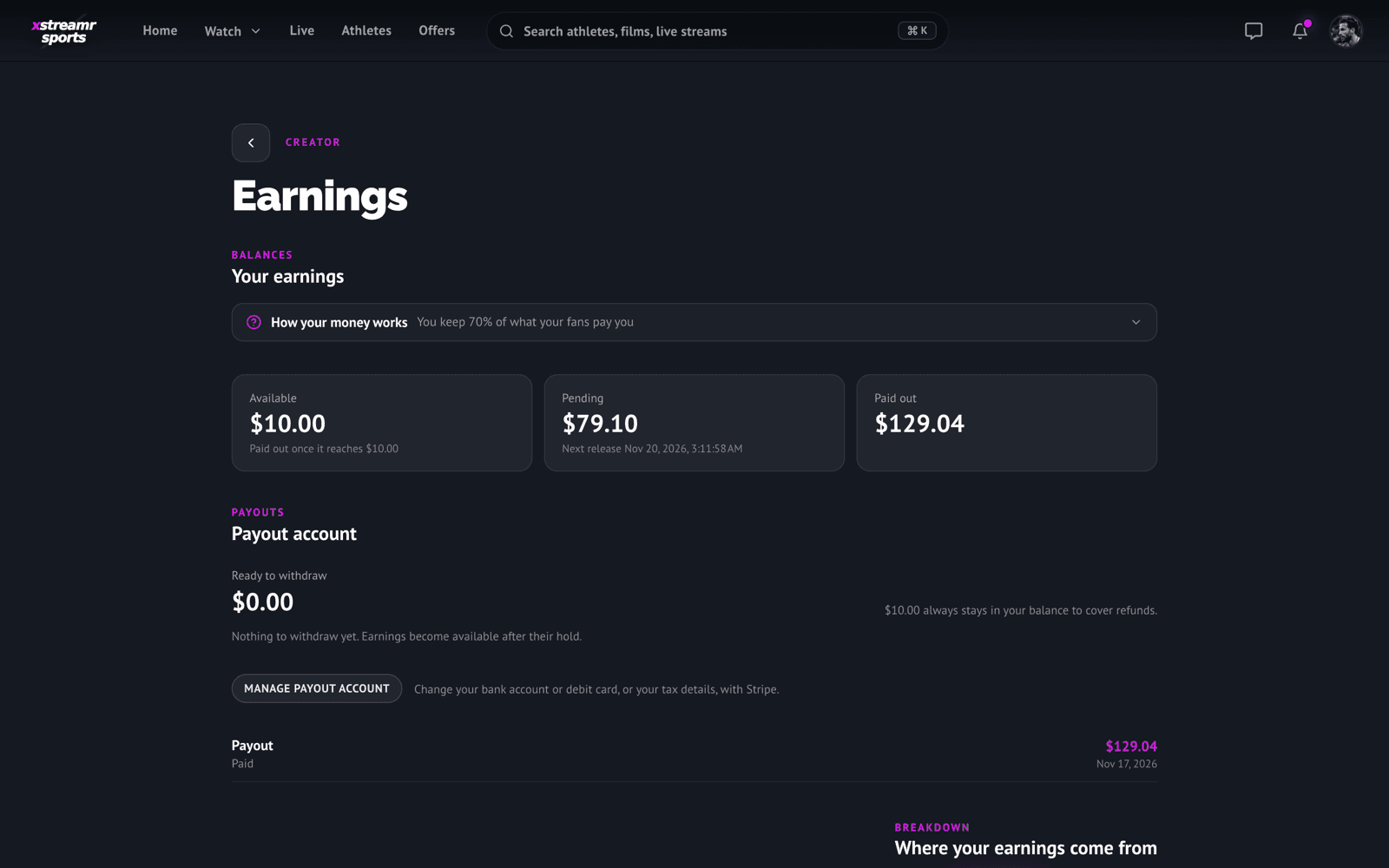
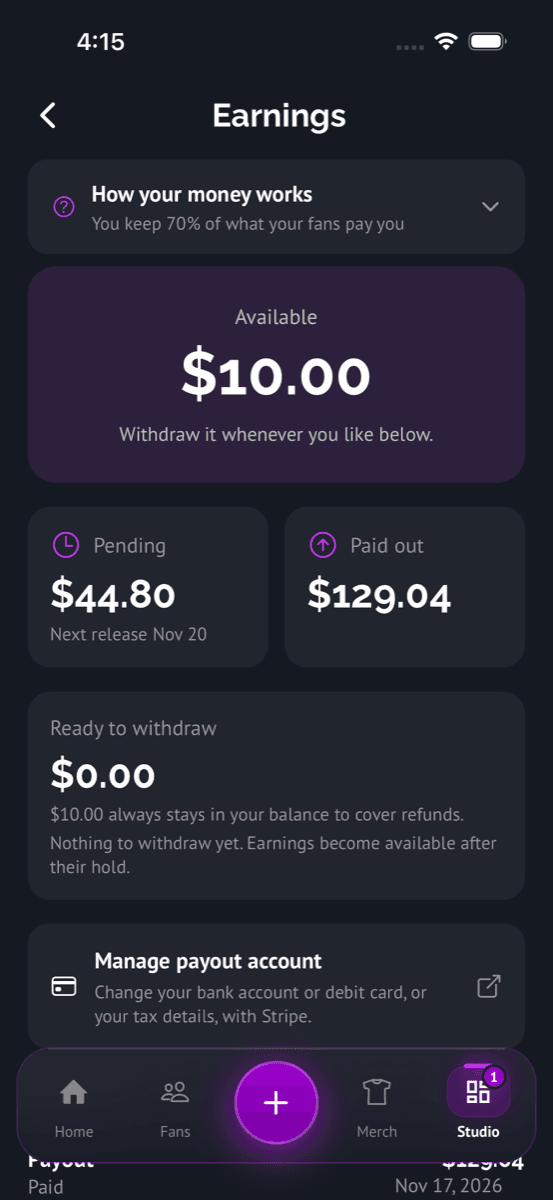
Of what fans pay goes to the creator. The payment policy had to keep the apps approvable without giving up that main revenue path.
Problem
Store rules differ for digital and physical goods, and by region. Spread across screens, that logic is hard to review and easy to get rejected for.
Decision
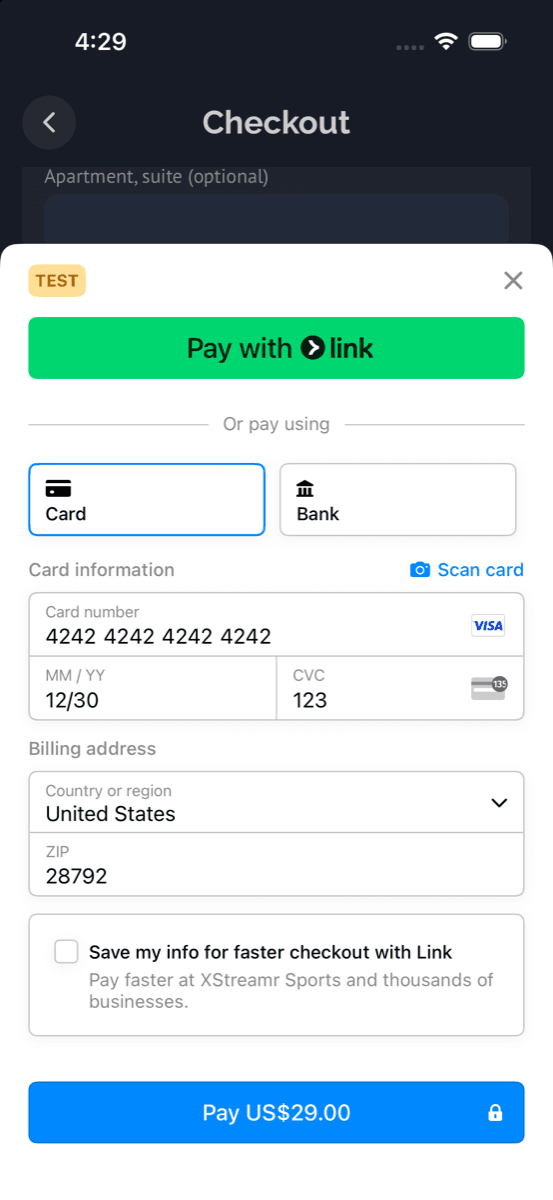
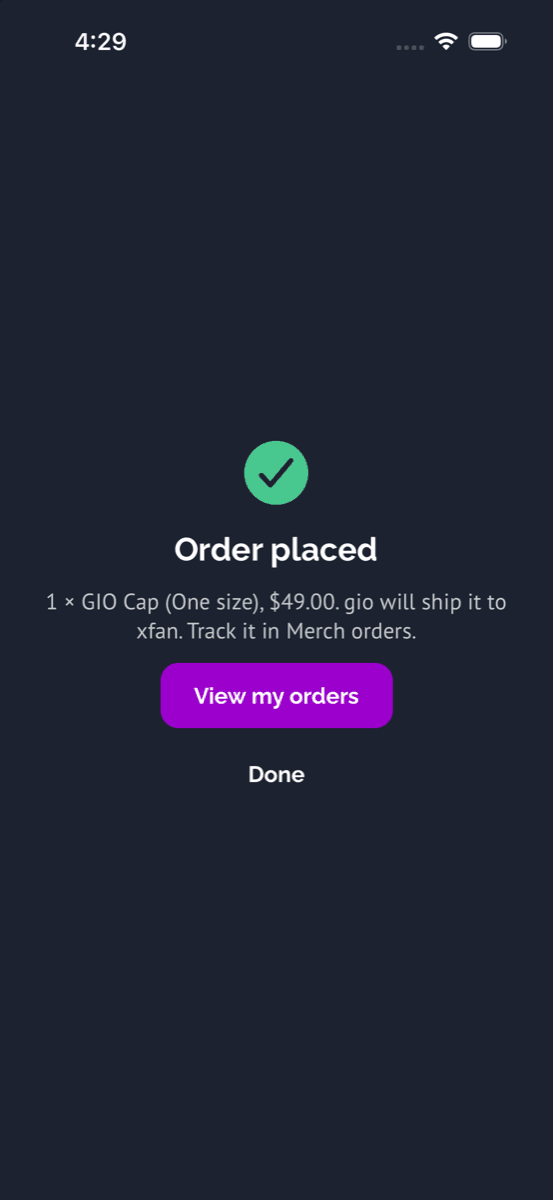
One canBuyOnWeb policy decides per device region. Digital goods link out to web checkout and the app refreshes on return; merch goes through Stripe in the app. Deep links open exactly the dialog the app asked for.
Why it matters
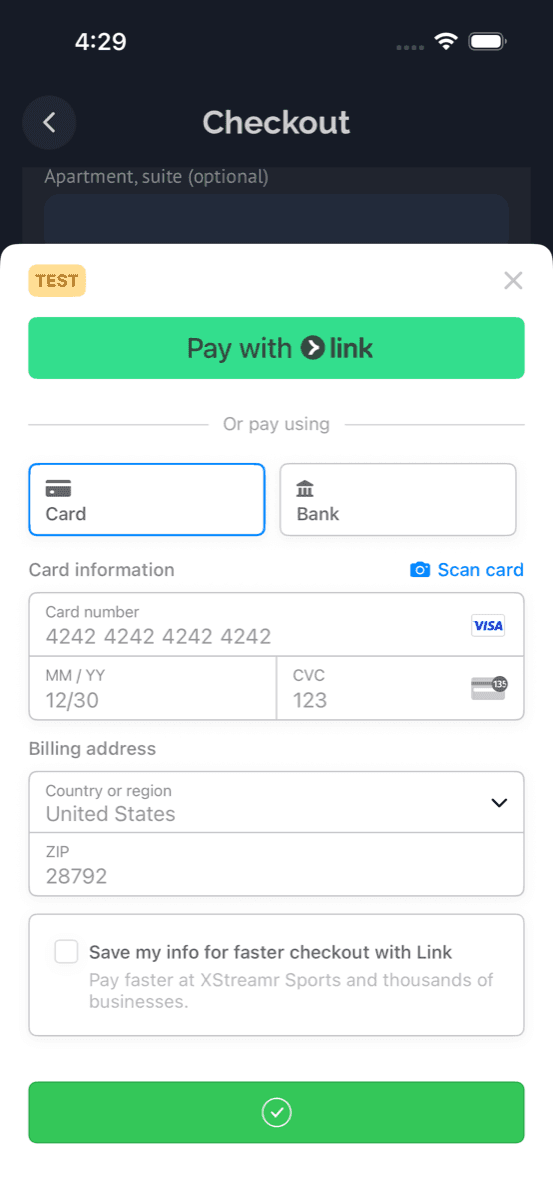
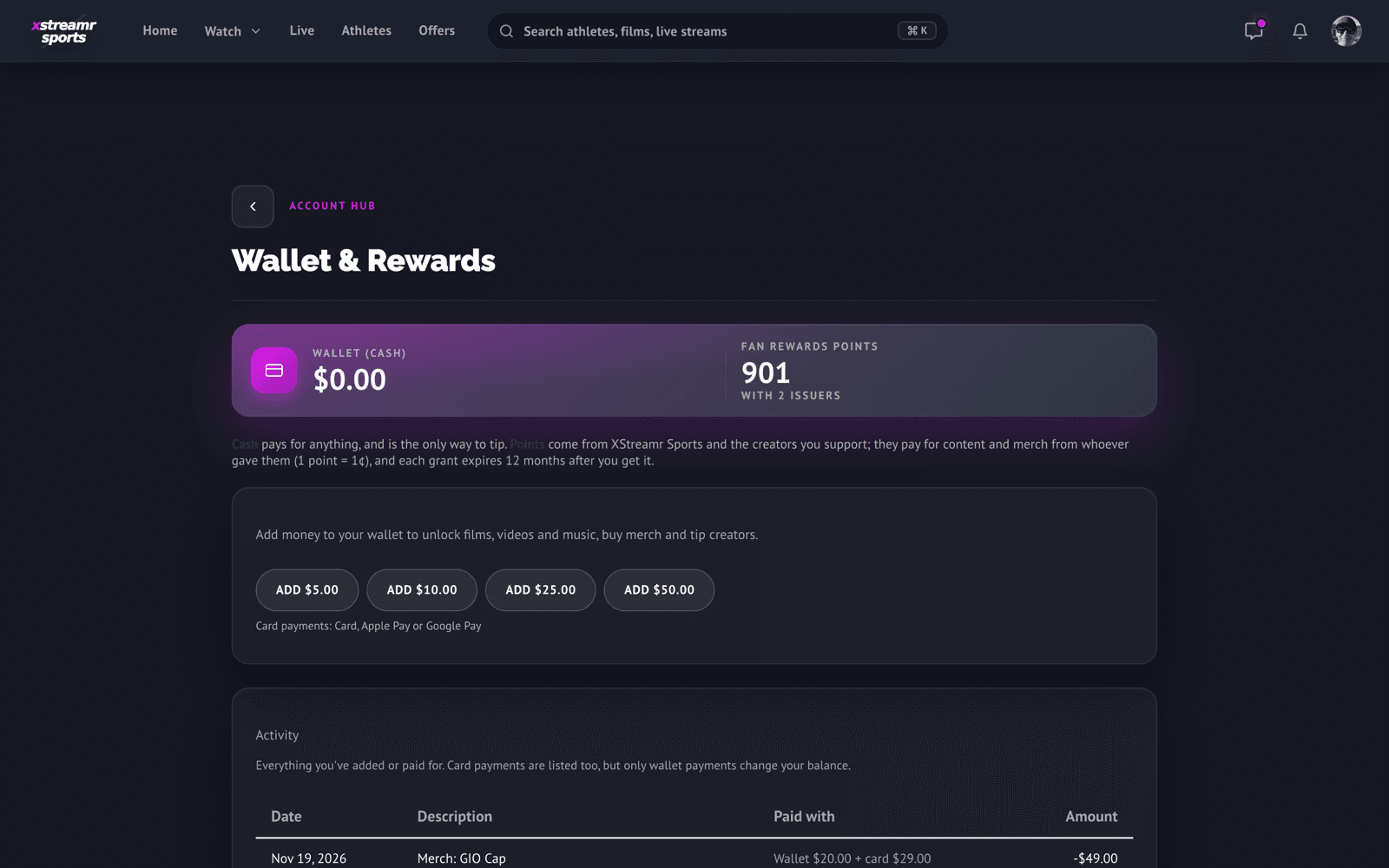
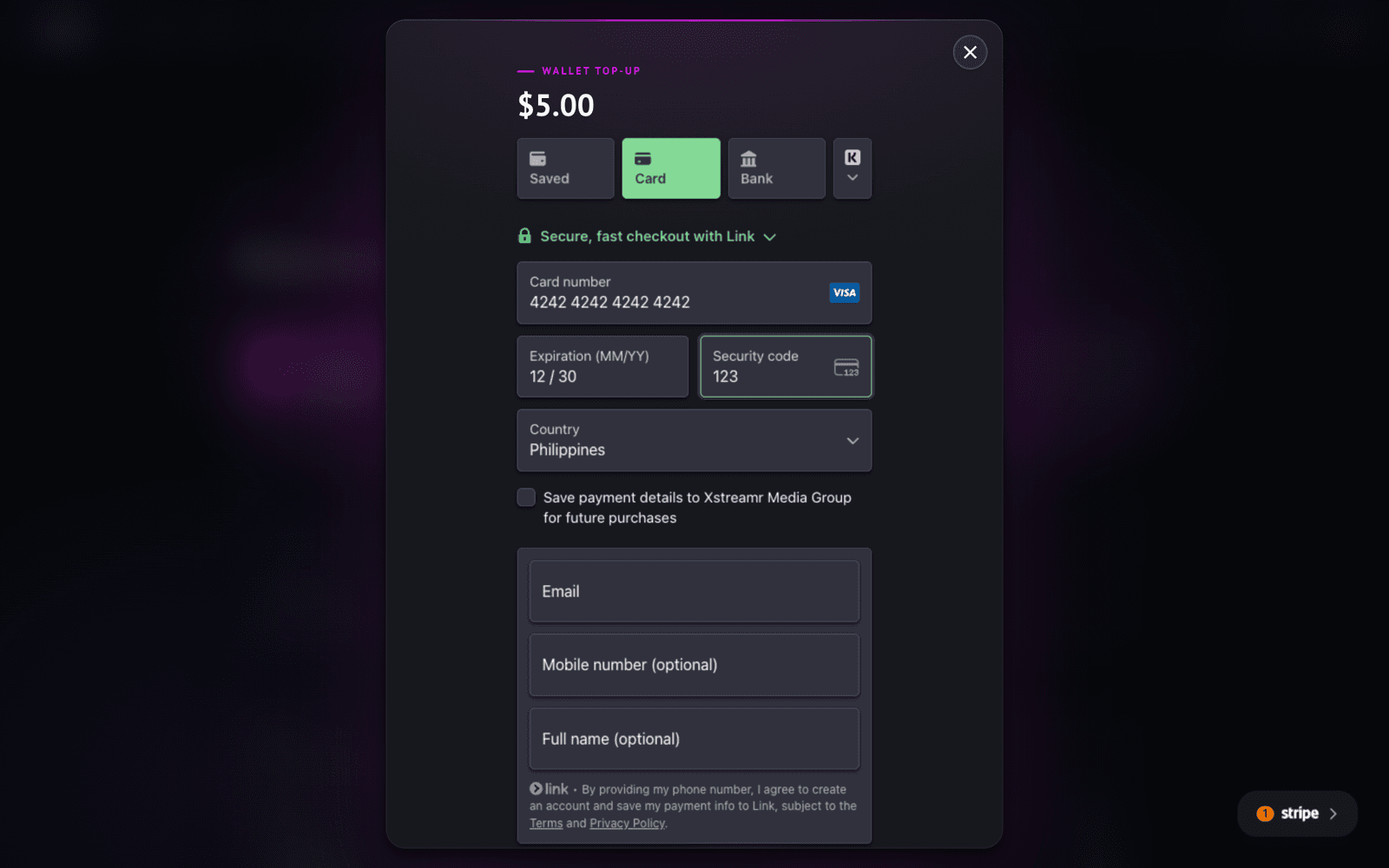
Card data only ever enters Stripe’s PaymentSheet or Payment Element, so there is no raw card form. One wallet and points ledger serves both apps, so a merch order paid on mobile shows up in the web wallet.
- Fan buys
- Store build, device region
- canBuyOnWebone policy
- Digital or physical?decided once, tested
- Web checkout
- Stripe in the app (merch)
- One shared ledger

02 — Contract safety
Contract breaks became PR failures.
The backend team was renaming and adding routes while we migrated to them. Without a check, a renamed endpoint only shows up as a broken screen in QA.
0
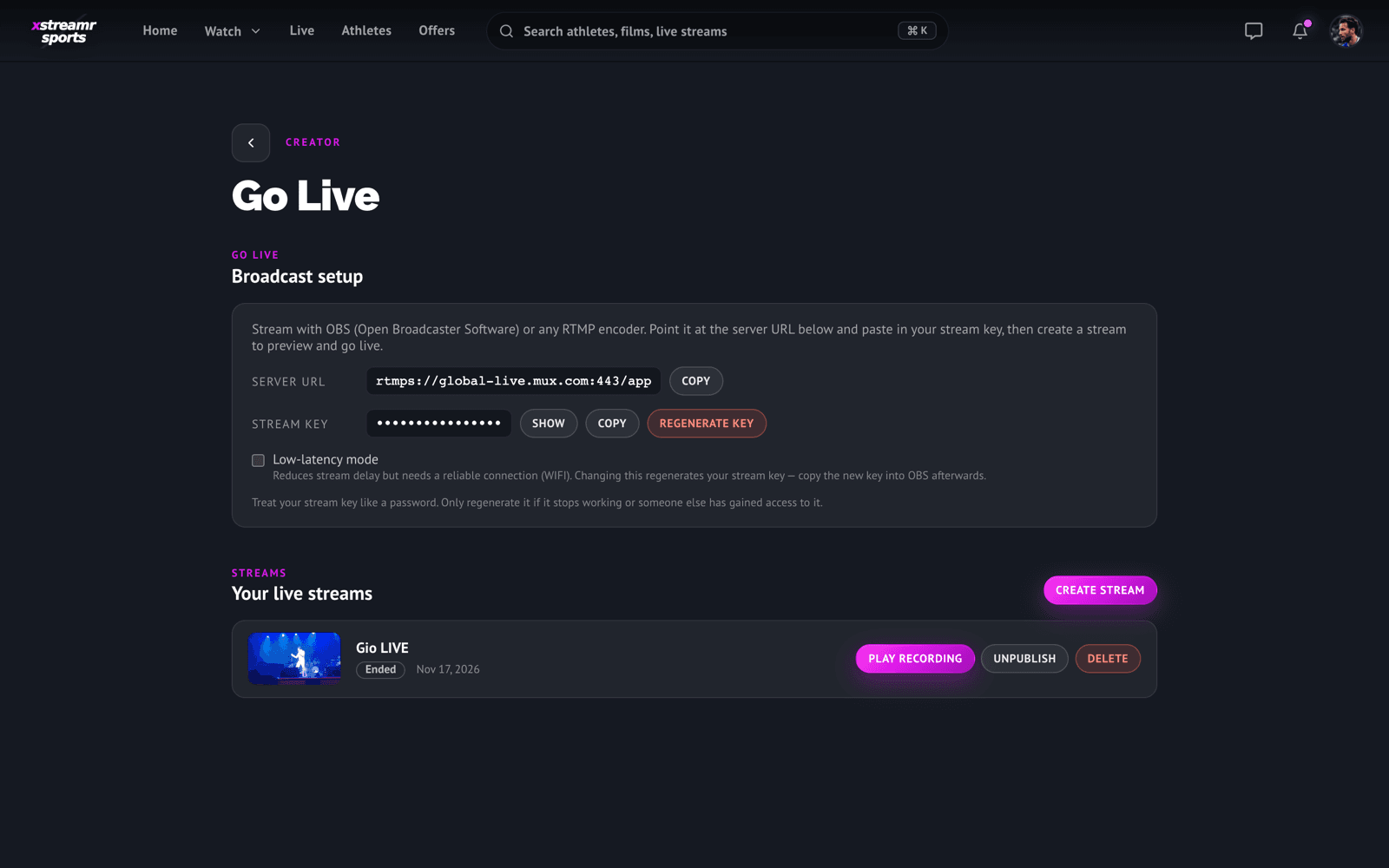
Unhandled API contract gaps. A scan compares every client HTTP call with the API’s real routes, and CI blocks the PR when they drift.
Problem
A renamed route surfaced as a broken screen in QA, days after the change that caused it, on a backend still being written.
Decision
The api-scan tool runs as a CI gate. Gaps are triaged in a gaps doc, and routes the client needs go into a written backlog for the backend team instead of quiet workarounds.
Protected media
Locked content never exposes its file URL. The player gets a short-lived signed URL, refreshes it before it expires and never stores it. A 403 shows the unlock UI.
03 — Upgrades
Upgraded in place, never frozen.
A new Xcode stopped building React Native 0.71, and Google Play’s target-SDK deadline was close.
0.71 → 0.86
React Native
New Architecture, Hermes, React 19 and Gradle 9, upgraded across native modules, patches and CocoaPods while feature work kept shipping.
14 → 21
Angular
One major version at a time, then a move to the esbuild application builder. The app stayed shippable at every commit.
0 errors
TypeScript baseline
A baseline let legacy errors exist but never grow. Each fix lowered it until it reached zero, and CI now blocks new ones.
04 — Guardrails
Brands resolved at build time.
Forking per brand doubles every fix. A runtime switch ships every brand’s keys in every binary and risks cross-brand sessions.
Build-time brands
Virtual Metro modules, Android flavors and iOS schemes on mobile. Per-brand environments, theme flags and 16 per-brand templates on web. Sessions are keyed by brand.
CI on every PR
Type check against the baseline, tests, lint, secret scan, release bundles for both brands and the API scan. Web deploys use short-lived OIDC credentials.
Uploads and sessions
Files over 20 MB use chunked upload under the API’s 30 MB cap. Sessions moved to the Keychain, with a minimum-version gate for breaking API changes.
See the pattern in code (GitHub, opens in a new tab)Two fictional brands built with real Metro, plus a CI check that no bundle carries the other brand’s keys.
Screens
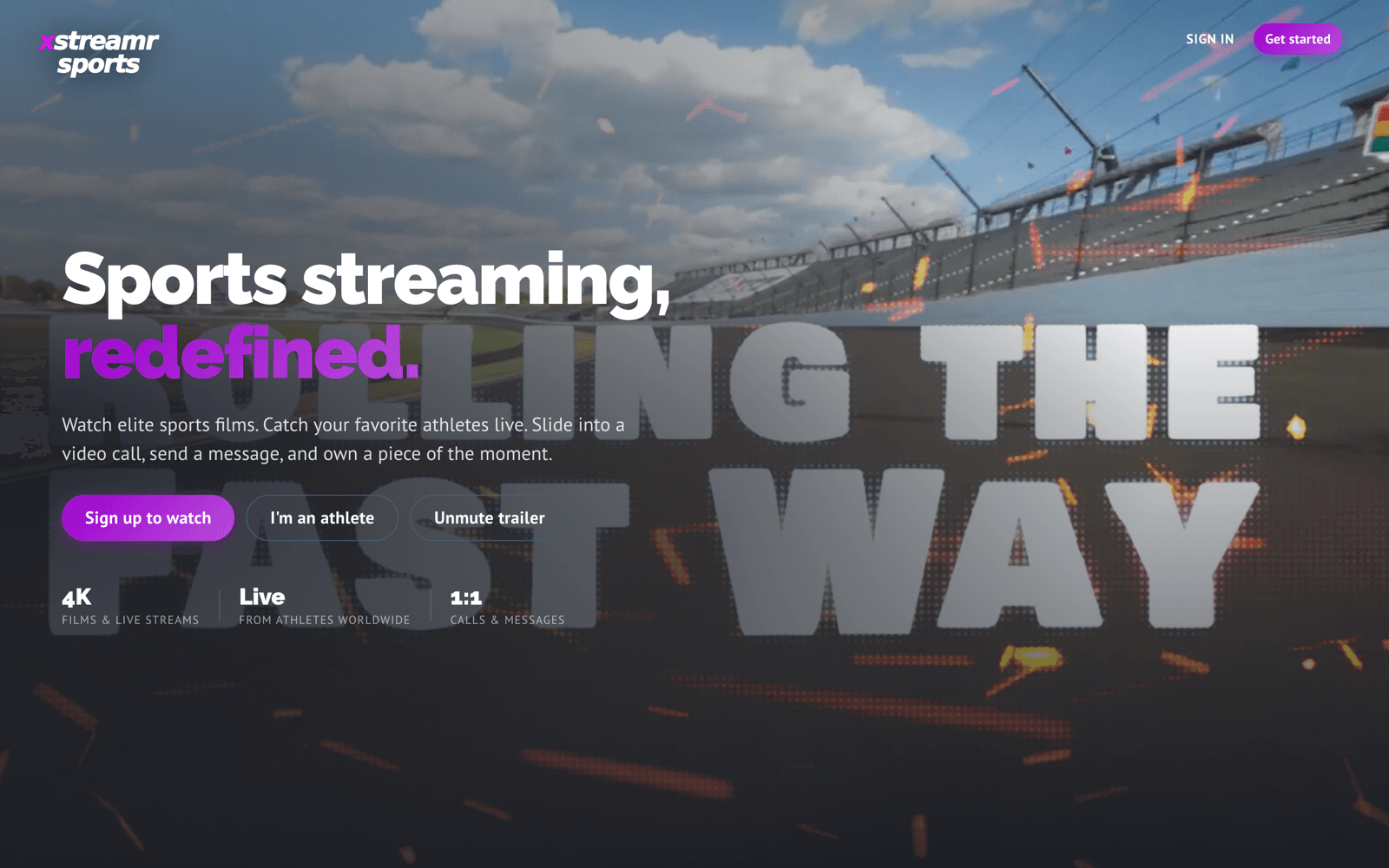
Fans, creators and the money between them.
Dev environment with test accounts and Stripe test cards. No real payments.

What I learned
Write the decision down, with a date.
A contract beats more meetings
Building on a moving backend worked because the contract was code: the scan, the gaps doc and the backlog for the backend team.
Make policy one switch
The store payment rules came from product, legal and engineering together. My part was making them one testable function, not scattered if statements.
Measure before upgrading
I can show quality and delivery numbers, but not the performance impact of the React Native upgrade, because I didn’t record a cold-start baseline first.
What I’d do earlier
End-to-end tests on the money paths in CI from day one, one formatting commit for the legacy code, and an owner and expiry date on every feature flag.
